The History of Japan
Jōmon Period
The era of hunter-gatherers and the earliest pottery.
Heian Period
The Golden Age of Japanese Culture.
Rise of the Samurai
The establishment of the Kamakura Shogunate.
Edo (Tokugawa) Period
250 years of peace and isolation.
Meiji Restoration
Rapid modernization and Westernization.
Post-War Economic Miracle
Reconstruction and technological leadership.
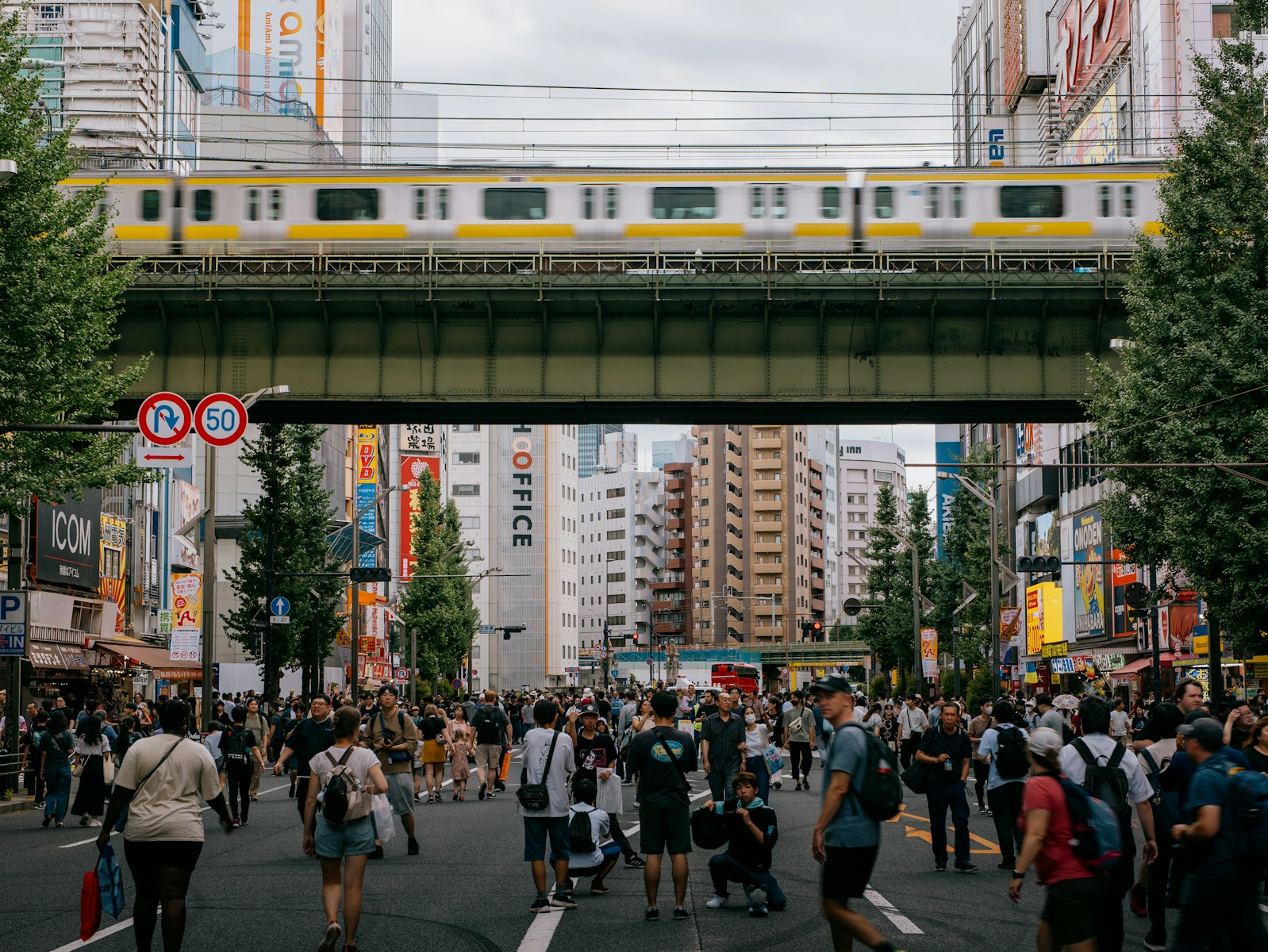
Japan ended its isolation in 1853, leading to the Meiji Restoration. Rapid modernization turned it into a global power, but also led to conflict in World War II. After 1945, Japan rebuilt and became a leading economic and technological nation.
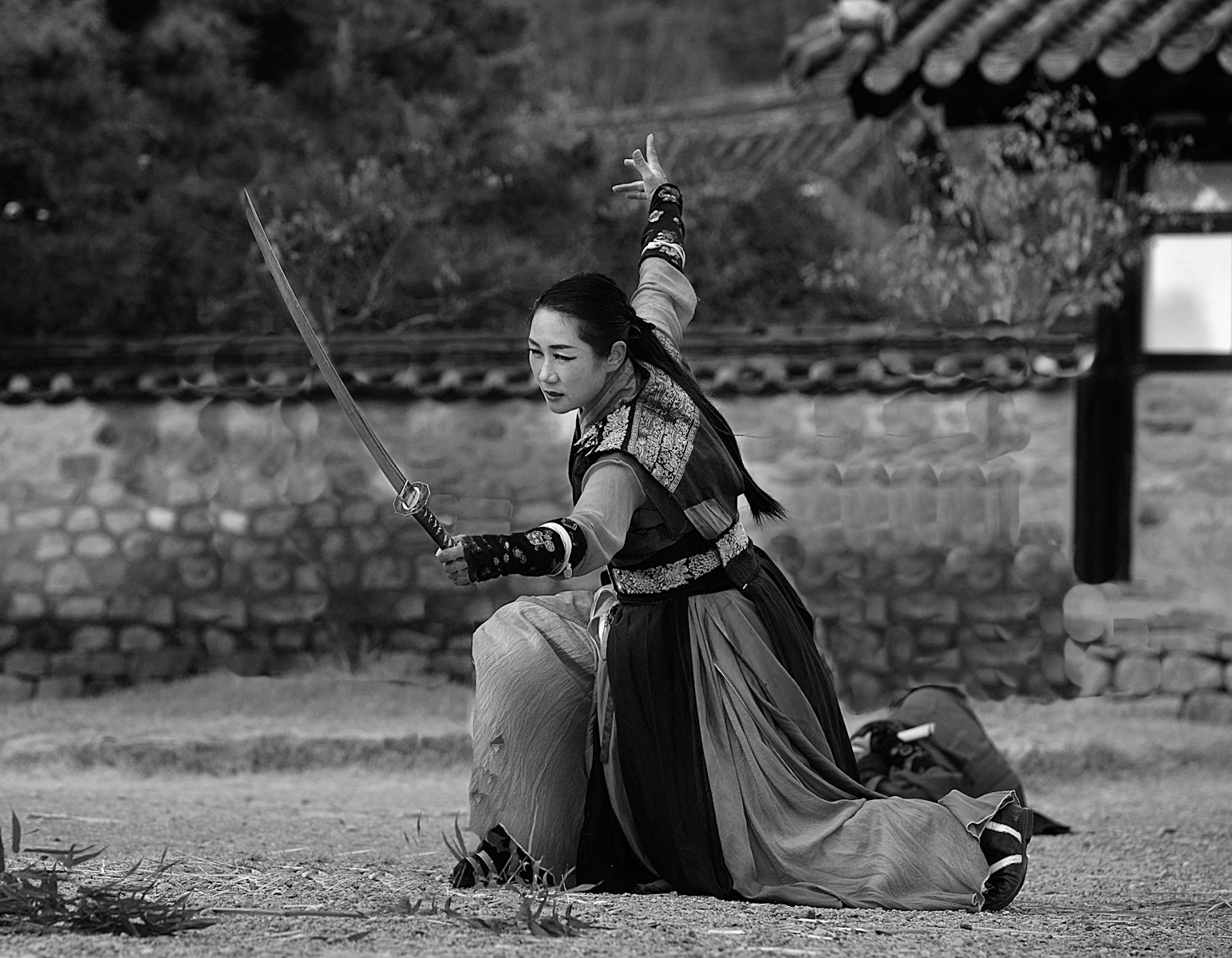
The samurai rose during the Heian period as warriors protecting landowners. After the Genpei War, Japan became a feudal society ruled by shoguns. Guided by honor and loyalty, samurai shaped politics and culture, especially during the peaceful Edo period.
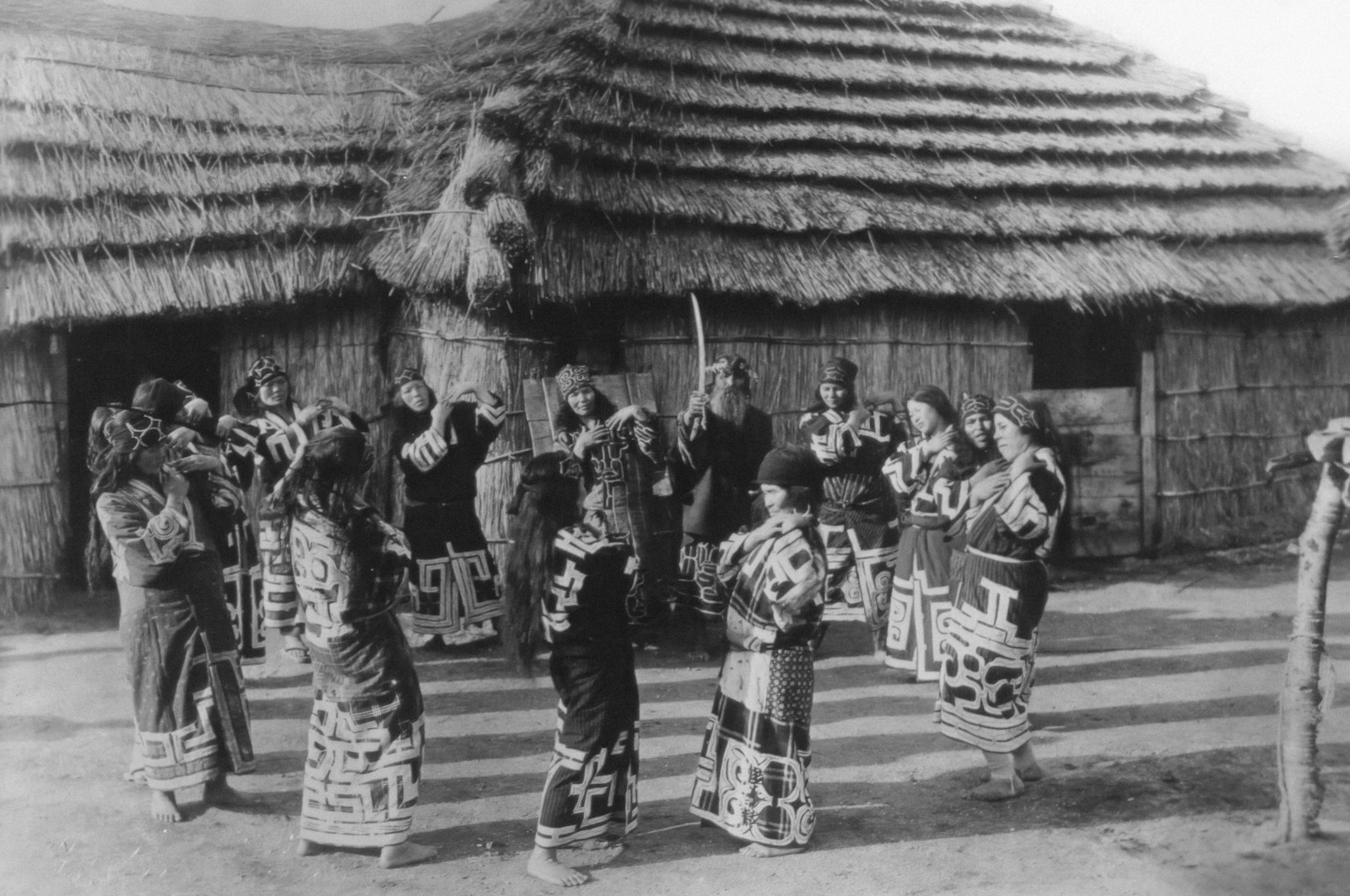
Japan’s history blends myth and archaeology. Early cultures like the Jōmon lived as hunter-gatherers, while the Yayoi introduced rice farming and social structure. By the Kofun period, powerful clans formed the early Japanese state, laying the foundation for the imperial system.